

 See My Latest Article on HelloNation

Virtual tours have changed how people research homes, compare neighborhoods, and decide which properties deserve an in-person visit. For residents of Greensboro, NC, these tools can make the early stages of a home search more efficient, especially when buyers are balancing work schedules, family responsibilities, changing weather, or a move from outside the area.
A virtual tour is useful, but it is not a complete substitute for seeing a property in person. The most reliable approach is to use digital tools for screening and preparation, then confirm important details through an in-person visit, inspection, and careful review of property information.
What is a virtual real estate tour?
A virtual real estate tour is a digital presentation that allows viewers to explore a home remotely. It may include panoramic rooms, connected 360-degree images, video walkthroughs, floor plans, still photographs, or interactive features that let users move from one area to another.
These formats are not identical:
- A video walkthrough follows a planned route and shows how the home feels as someone moves through it.
- A 360-degree tour allows the viewer to look around each room and choose where to go next.
- A floor plan shows the relationship between rooms, doors, windows, and circulation paths.
- A photo gallery highlights selected views but may not show how spaces connect.
A listing may use one format or combine several. Each provides different information, so relying on only one can create an incomplete impression.
How do virtual tours change the home search process?
Virtual tours move much of the initial evaluation from a quick appointment to an on-demand research process. Buyers can review a property before deciding whether an in-person showing is worthwhile.
This is particularly helpful when a home search includes many listings. A buyer can first eliminate properties with unsuitable layouts, limited storage, small bedrooms, or difficult access. That leaves more time to study the homes that appear to match practical needs.
Virtual tours also help people revisit a property after a showing. A buyer may remember the kitchen but forget the relationship between the laundry area and bedrooms. Rewatching a walkthrough or reviewing a 360-degree tour can support more careful comparisons.
For households moving into the area, virtual tours can provide an early sense of housing patterns, lot sizes, architectural styles, and neighborhood settings before travel is possible. The digital tour does not answer every question, but it can make later visits more focused.
What can buyers learn from a virtual tour?
A well-prepared tour can reveal more than whether a home looks attractive. It may help viewers evaluate:
- Room proportions and ceiling height
- The relationship between living spaces
- Natural light at the time the tour was recorded
- Doorways, hallways, stairs, and other access points
- Kitchen and bathroom placement
- Storage areas and closet locations
- Outdoor connections such as patios, porches, or decks
- Whether furniture fits comfortably or makes rooms appear larger than they are
Floor plans are especially valuable because photographs can make spaces seem disconnected or difficult to measure. A plan can show whether a bedroom is near a noisy common area, whether a dining space is separate from the kitchen, or whether a proposed furniture arrangement is realistic.
Virtual tours can also encourage better questions. After reviewing a property, a buyer may ask about window direction, crawl spaces, attic access, drainage, utility placement, or the age of major systems.
What can virtual tours hide or distort?
Digital presentation has limits. Camera lenses can make narrow rooms appear wider, while careful framing may leave out awkward corners, damaged surfaces, low ceilings, or nearby structures.
Lighting also affects perception. A tour recorded on a bright day may not show how dark a room feels during overcast weather or at another time of day. In Greensboro, seasonal changes can affect tree cover, shade, humidity, and the appearance of outdoor areas. A yard that looks open in winter may feel more enclosed when leaves return.
Virtual tours may not communicate:
- Traffic noise or sounds from nearby properties
- Odors, including moisture, smoke, or pet odors
- Uneven floors, vibration, or poor air circulation
- The feel of water pressure
- Temperature differences between rooms
- Drainage behavior after heavy rain
- The condition of roofs, foundations, crawl spaces, or mechanical equipment
- How much privacy exists from adjacent homes
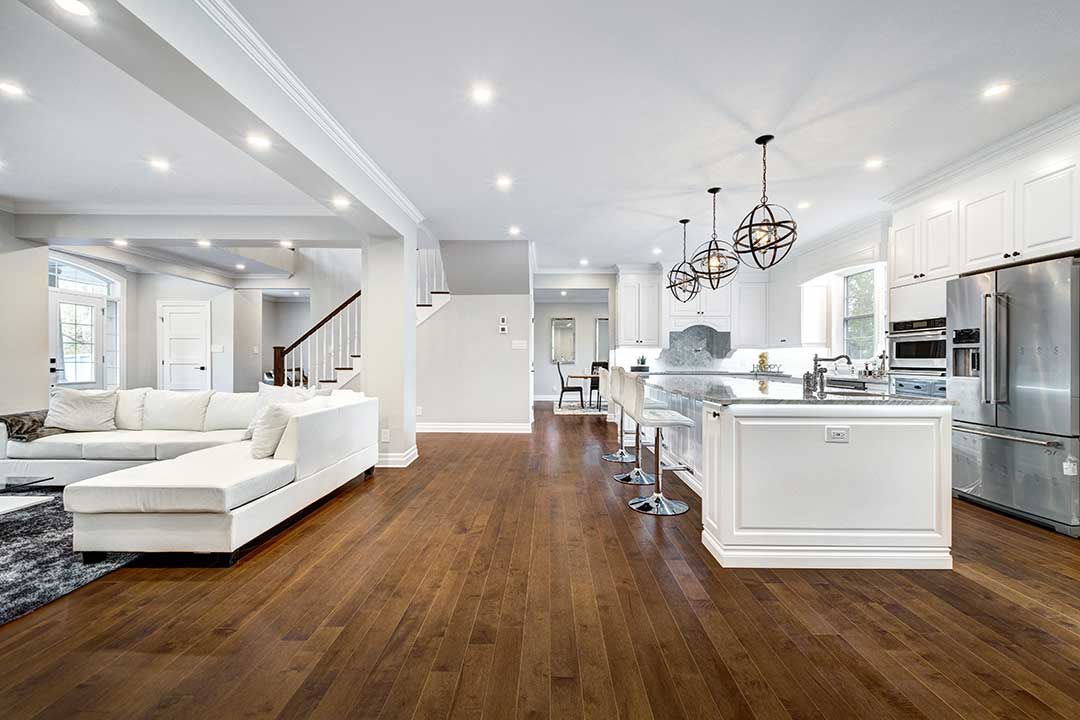
These are not minor details. A home can look appealing online and still raise concerns during an in-person visit or inspection.
How should buyers use virtual tours before an in-person visit?
The most effective use is as a screening and planning tool. Instead of asking whether a tour makes a property look attractive, viewers should ask whether it answers practical questions.
Start by comparing the tour with the written listing information. Check the stated room dimensions, number of levels, parking arrangement, age of the home, and any restrictions or disclosures provided. If the visual presentation appears inconsistent with the written details, the difference deserves clarification.
During the tour, look for the camera path. Does it cover every room, or are some areas missing? Are closets, utility spaces, garages, attics, and exterior areas shown? A tour that skips several spaces may be incomplete rather than neutral.
It can help to keep a short question list:
- Which rooms receive morning or afternoon light?
- Are there signs of moisture, staining, or recent cosmetic repairs?
- How old are the heating, cooling, plumbing, and electrical systems?
- What is located behind the rear property line?
- How does water move away from the home during heavy rain?
- Are there steps, narrow passages, or other access concerns?
- Which fixtures, appliances, and outdoor structures remain with the property?
A virtual tour should narrow the search, not replace careful investigation.
Are virtual tours helpful for sellers?
Virtual tours can help sellers present a consistent view of the home and reduce repeated visits for people who are still deciding whether a property fits. They may also highlight a floor plan more accurately than a set of separate photographs.
However, presentation should remain truthful. Moving furniture, removing personal items, improving lighting, or completing minor maintenance can make a property easier to understand, but digital editing should not conceal material conditions. A tour that creates unrealistic expectations can lead to wasted visits and disappointment.
Accurate measurements, complete room coverage, and clear views of storage and exterior areas are generally more useful than highly stylized imagery. Buyers need to understand how the home functions, not simply how it photographs.
Do virtual tours reduce the need for inspections?
No. A virtual tour is a visual marketing and research tool, not a technical evaluation of a property. It cannot determine whether a roof is near the end of its service life, whether a crawl space has moisture problems, or whether electrical and plumbing systems operate properly.
An inspection involves physical observation and testing that a screen cannot provide. Buyers should also review available disclosures, survey information, insurance considerations, flood or drainage concerns, and any applicable property restrictions before making decisions.
The distance between a digital impression and physical reality is often greatest in areas that are hidden, elevated, enclosed, or difficult to photograph.
What is the long-term effect on real estate?
Virtual tours are making real estate research more flexible and more data-driven. Buyers can compare properties at their own pace, revisit details, and involve family members who cannot attend every showing. Sellers can communicate the layout of a home more clearly than photographs alone allow.
The technology also raises the standard for transparency. Buyers increasingly expect complete coverage, realistic proportions, and enough information to identify follow-up questions. Properties with unclear or overly polished presentations may receive more scrutiny rather than less.
For local residents, the practical lesson is simple: use virtual tours to understand a home’s layout, eliminate poor matches, and prepare targeted questions. Then use physical visits and professional inspections to evaluate what cameras and screens cannot reliably show.